The Ultimate Guide to Wireless Speedlight in the UK
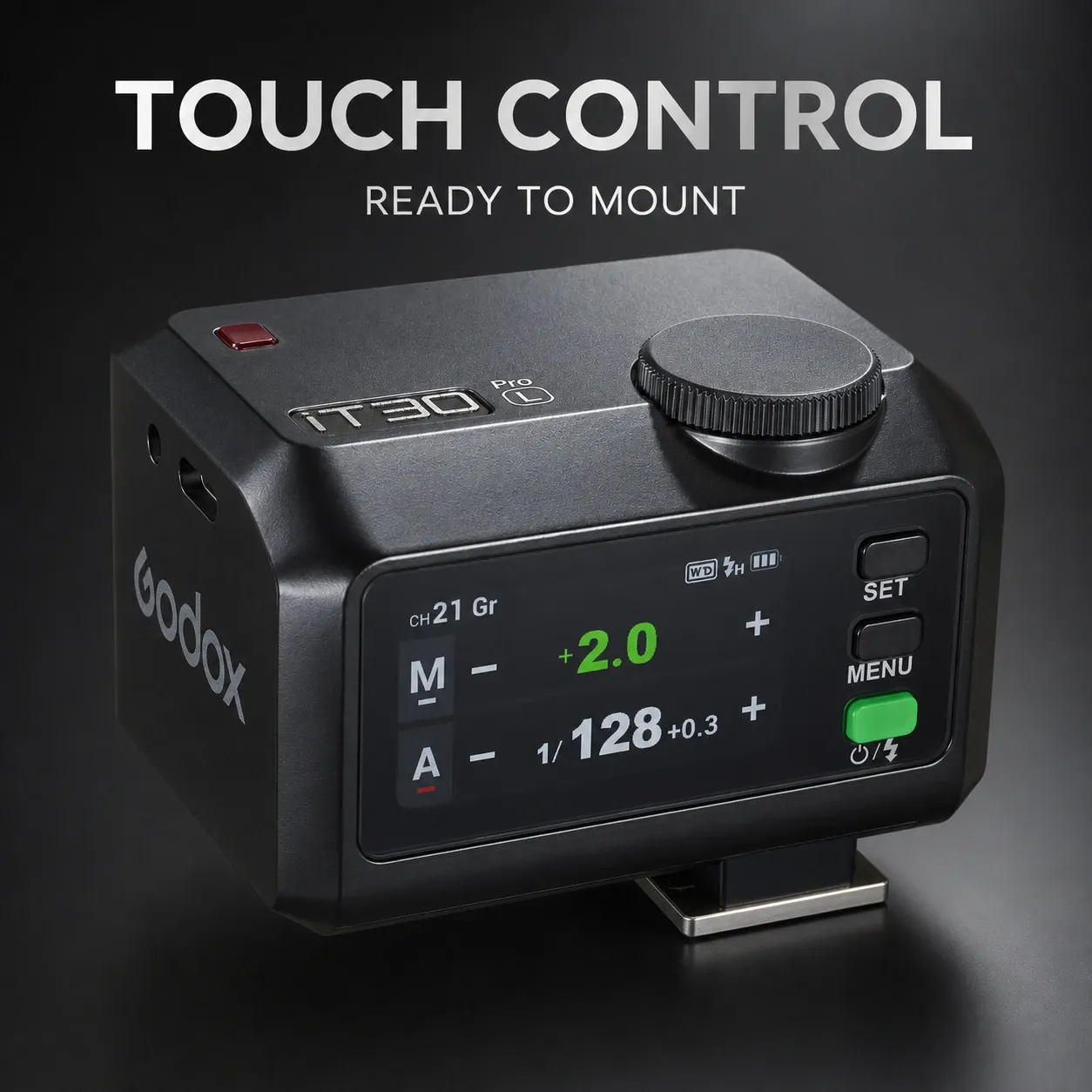
TL;DR: A wireless speedlight is a portable flash that fires off-camera using a radio trigger, giving you softer, more directional light than on-camera flash. In practice, it is one of the easiest ways for UK photographers to improve portraits, weddings, events and product shots, especially in dull weather or low-light venues. Look for reliable 2.4GHz triggering, TTL, High-Speed Sync (HSS) and solid battery performance.
A wireless speedlight is an off-camera flash system that uses a transmitter and receiver, or built-in radio control, to trigger flash without a cable. It helps photographers create more flattering, controlled lighting than direct on-camera flash, which is why it is widely used for portraits, weddings, events and editorial work across the UK.
However, relying exclusively on natural light often leaves photographers at the mercy of unpredictable conditions, particularly in the UK where flat, overcast skies can dominate the forecast for months. By moving the light source away from the camera’s hot shoe, you avoid harsh, flat illumination and gain far more control over shadows, texture and subject separation. Whether you are photographing a wedding in the Cotswolds or shooting an editorial feature on the streets of London, a wireless speedlight makes it easier to shape light deliberately rather than simply accept what is available.
Key Takeaways
- A wireless speedlight separates the light source from the camera, producing more directional, three-dimensional illumination.
- Modern 2.4GHz radio systems are typically more reliable than older optical systems and often work up to 100 metres.
- TTL and HSS help photographers adapt quickly when light levels change during real-world shoots.
- Understanding distance and light fall-off is essential for placing off-camera flash accurately.
- Camera-specific compatibility matters, particularly for premium systems such as Leica that require dedicated communication pins.
What Is a Wireless Speedlight?
At its core, a wireless speedlight is a compact, battery-powered flash that communicates with your camera remotely rather than through a direct wired connection. As a result, you can place the flash on a stand, hold it by hand with an assistant, or hide it within a scene to create more natural-looking direction and depth.
How does a wireless speedlight work?
A typical setup uses two main parts: a transmitter mounted on the camera’s hot shoe and a receiver connected to the flash. Many modern units simplify this further by including built-in transceivers, so the same device can send or receive signals depending on how it is configured. Consequently, you can build multi-light setups with fewer accessories and less clutter.
What is the difference between optical and radio triggering?
Older off-camera flash systems often relied on optical triggering. These setups use a pre-flash signal to fire remote units. Although they can work indoors in controlled settings, they are far less dependable outdoors because they require line of sight and can be disrupted by bright sunlight or physical obstructions.
By contrast, most modern wireless speedlight systems use 2.4GHz radio transmission. Radio triggering works through many obstacles far more reliably and remains usable in bright ambient conditions. Based on our testing across busy urban locations and typical British overcast days, radio systems are markedly more dependable for location work than optical-only alternatives.
According to Ofcom guidance on licence-exempt short-range devices in the UK, 2.4GHz equipment is commonly used within approved parameters without requiring an individual broadcasting licence. Therefore, photographers using compliant triggers can generally work in public spaces without extra radio licensing concerns.
Why Use a Wireless Speedlight?
A wireless speedlight gives photographers more control over quality, direction and consistency of light. In other words, it lets you build lighting intentionally instead of accepting whatever ambient conditions happen to provide.
Is a wireless speedlight better than on-camera flash?
In most portrait and event situations, yes. Direct on-camera flash tends to produce flat illumination because the light comes from almost exactly the same angle as the lens. Off-camera placement creates shape across faces and surfaces instead. Therefore, skin texture looks more natural, subjects separate better from backgrounds and images usually appear more polished.
Why is it useful for UK photographers?
The UK presents specific lighting challenges: overcast skies, short winter days and many characterful yet dim interiors. A wireless speedlight helps overcome all three. For example, it can mimic directional window light during grey afternoons or add clean illumination inside dark churches, registry offices and historic venues where ambient light alone may be insufficient.
Based on our testing in low-light interiors and outdoor portrait sessions around southern England, even one well-placed radio-controlled flash can make exposure more consistent while preserving atmosphere better than relying on direct flash alone.
Can you use a wireless speedlight in historic or low-light venues?
Yes—provided you follow venue rules and local restrictions. Many National Trust properties, churches and heritage spaces have limits around where stands may be placed or whether flash may be used during certain parts of an event. Nevertheless, where permitted, an off-camera unit usually gives cleaner results than bouncing from dark beams or stained ceilings that can introduce heavy colour casts.
What Features Should You Look For in a Wireless Speedlight?
If you are choosing your first system or upgrading an older one,, focus on practical features that matter during real assignments rather than headline specs alone.
Ready to elevate your lighting with ProL?
Explore the M-Series — £142.74